



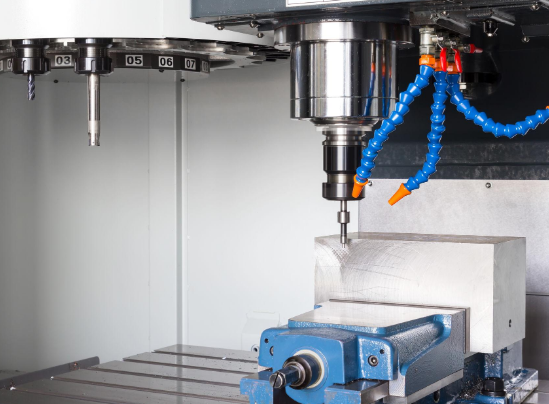
A Vertical Machining Center (VMC) is one of the most widely used CNC machine tools in modern manufacturing. Its most distinctive feature is that the spindle is mounted vertically above the worktable, allowing cutting tools to approach the workpiece from the top.
A VMC integrates multiple machining functions, including milling, drilling, boring, and tapping. Equipped with a CNC control system and an Automatic Tool Changer (ATC), it can complete multiple operations in a single setup, significantly improving productivity and machining accuracy.
Thanks to its ease of operation, wide range of applications, and cost-effectiveness, VMCs are widely used in industries such as automotive manufacturing, aerospace, mold and die production, energy equipment, medical devices, and general machinery manufacturing.
How Does a Vertical Machining Center Work?
A vertical machining center performs machining operations through the coordinated movement of three primary axes:
- X-axis: Left and right movement of the worktable
- Y-axis: Front and rear movement of the worktable
- Z-axis: Up and down movement of the spind
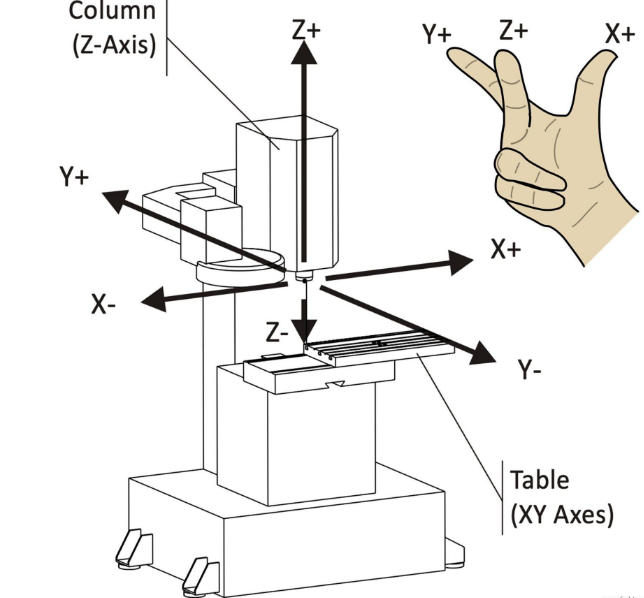
During operation, the spindle rotates the cutting tool at high speed while the CNC system controls the movement of each axis according to the programmed tool path, enabling precise machining of the workpiece.
Modern VMCs are typically equipped with an automatic tool changer, allowing different tools to be exchanged automatically during the machining cycle. This enables continuous drilling, milling, tapping, and other operations without manual intervention.
Main Components of a Vertical Machining Center
1. Machine Structure
The machine base, column, worktable, and saddle form the main framework of the machine. High-quality cast iron construction effectively absorbs vibration and ensures long-term machining stability.
2. Spindle System
The spindle is one of the most critical components of a machining center, responsible for driving the cutting tool during machining.
Depending on the application, spindle speeds typically range from 8,000 to 15,000 rpm. High-speed models can reach even higher speeds, making them ideal for mold manufacturing and precision machining.
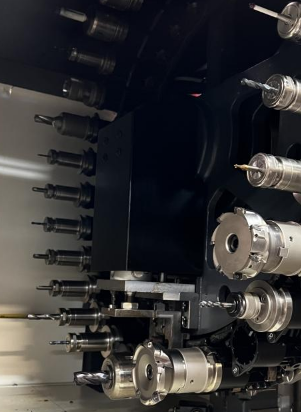
3. Automatic Tool Changer (ATC)
The tool magazine typically accommodates 16 to 30 tools, while some advanced models offer larger capacities.
The ATC reduces machine downtime, improves productivity, and enables complex parts to be completed in a single setup.
4. CNC Control System
The CNC control system acts as the brain of the machine, controlling:
- Spindle speed
- Feed rate
- Axis movements
- Automatic tool changes
- Execution of machining programs
5. Coolant and Chip Removal System
The coolant system helps reduce cutting temperatures, extend tool life, and improve surface finish quality.
The chip removal system ensures efficient chip evacuation, maintaining a clean and stable machining environment.
Advantages of Vertical Machining Centers
High Machining Accuracy
Modern VMCs utilize high-precision ball screws, linear guideways, and advanced CNC systems to achieve excellent positioning and repeatability accuracy, meeting the requirements of precision machining.
High Productivity
Automatic tool changing and multi-process integration significantly reduce non-cutting time and increase overall production efficiency.
Easy Operation
The vertical structure allows operators to easily monitor the machining process and simplifies workpiece setup and tool adjustment.
Lower Investment Cost
Compared with Horizontal Machining Centers (HMCs), VMCs are generally more cost-effective, making them an ideal choice for small and medium-sized manufacturers.
Compact Footprint
VMCs feature a compact design that requires less floor space, making them suitable for modern manufacturing workshops.
Typical Applications of Vertical Machining Centers
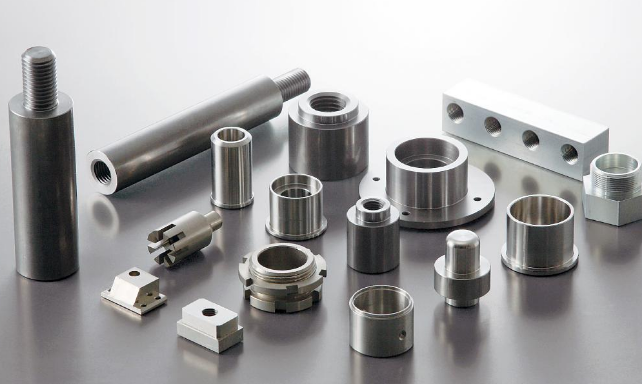
Vertical machining centers are widely used for:
- Mold and die manufacturing
- Automotive component machining
- Aerospace parts production
- Hydraulic and pneumatic component manufacturing
- Medical device machining
- Electronic enclosure machining
- General mechanical component manufacturing
They are particularly suitable for machining plates, discs, box-type parts, and components with complex contours and surfaces.
How to Choose the Right VMC?
When selecting a vertical machining center, manufacturers should consider the following factors:
Workpiece Size
Choose machine travel dimensions (X, Y, and Z axes) according to the size of the workpieces to be machined.
Material Type
Different materials require different spindle power and cutting capabilities, including:
- Aluminum alloys
- Carbon steel
- Stainless steel
- Cast iron
- Titanium alloys
Accuracy Requirements
Industries such as aerospace and medical manufacturing often require higher machine precision and advanced configurations.
Production Volume
Mass production typically demands larger tool magazine capacity, higher automation levels, and greater machining efficiency.
Future Expansion Needs
Selecting a machine with upgrade potential can help support future production growth and evolving manufacturing requirements.
Conclusion
Vertical Machining Centers are indispensable equipment in modern manufacturing. Combining high precision, high productivity, and automation, they are capable of meeting the machining requirements of a wide variety of complex components.
For manufacturers seeking reliable performance and excellent value, VMC machines have become a trusted solution thanks to their mature technology, dependable quality, and cost-effective operation.
Whether for mold manufacturing, automotive components, or general mechanical engineering, a Vertical Machining Center can provide a stable and efficient machining solution for modern production environments.
Post time: Jun-11-2026